
Importance of consent and respecting personal boundaries
Main article content
We're reminding everyone of the importance of consent and respecting personal boundaries.
We encourage parents to talk openly with their children about consent, boundaries, and the value of speaking up.
Consent is when someone understands what they’re being asked to do, and they give their permission clearly and freely – without feeling pressured.
It is an important part of healthy relationships, including intimate and sexual online relationships.
Knowing your boundaries, respecting other people’s boundaries, and being able to talk about consent is important in positive online relationships.
Consent means someone gives a clear, happy yes because they want to. It must be a free choice, not something they feel pushed, scared or pressured into.
Saying yes once doesn’t mean saying yes again, and anyone can change their mind at any time.
A person cannot give consent if they are drunk, have taken drugs, are asleep, unconscious or unable to make decisions. Sex without consent is rape.
Staying quiet, flirting, past relationships or clothing never counts as consent. Consent must be obvious, real, and ongoing. If someone seems unsure, uncomfortable, quiet or moves away, you must stop straight away.
Checking in with simple questions like “Is this ok?” shows respect and keeps everyone safe. Pressure, guilt, or repeated asking do not create consent.
Consent is needed every time, no matter how long you’ve known someone or whether you’re in a relationship.
It is also needed before taking or sharing photos or videos. People under 16 cannot legally give consent.
Removing a condom during sex without explicit agreement is legally classified as rape.
Whether you’re meeting someone online for the first time or you’re in a long-term relationship, it’s important to check in and ask the other person if they’re OK with what’s happening.
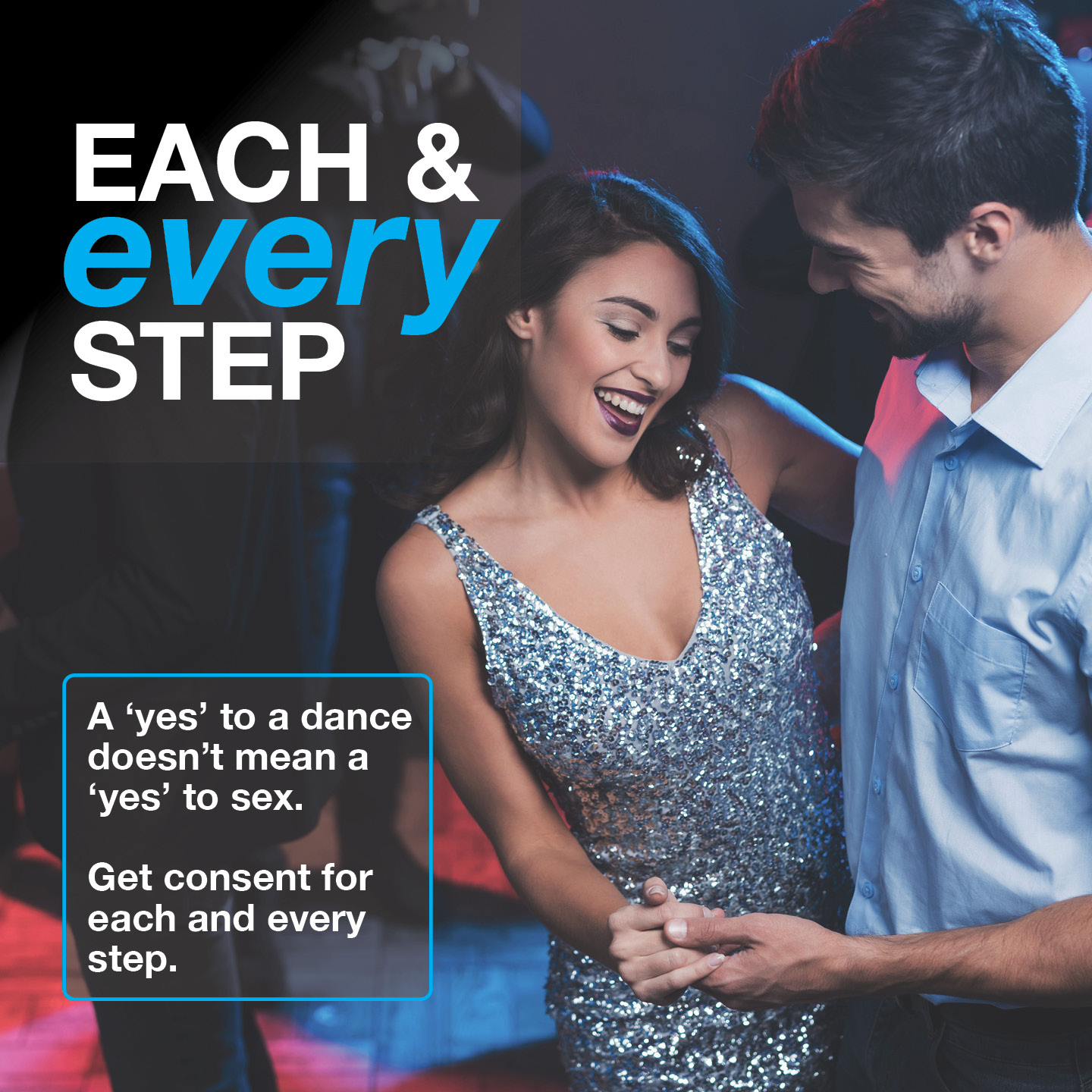
What you need to know about consent:
- Consent must be checked first – make sure the other person agrees before you engage in online sexual activity, like sexting and sending nudes, or having a nude video call. You also need permission to share an intimate image or video of them.
- Consent must be freely given – a person must not be pressured into agreeing to something against their will. They have to be old enough to give their consent and not be affected by other factors, such as being under the influence of alcohol or drugs to the point that they can’t freely consent. If you’re being pressured or manipulated to do something that you’re not comfortable with, this may be a form of coercive control.
- Consent must be clearly communicated – you have to actively agree to give your consent to online sexual activity and you must actively seek someone else’s consent. This is sometimes called affirmative consent. A person saying ‘maybe’, ‘I am not sure’ ‘or ‘I think so’ isn’t giving their consent. It’s important that you feel comfortable saying ‘no’. You should always respect someone’s wishes if they say ‘no’, while also being aware that some people won’t say ‘no’, but will show or communicate they are uncomfortable with what is happening in other ways.
- Consent must be checked regularly and can be reversed – consent is an ongoing process. Even after a person has given their consent, they can change their mind at any time and withdraw their consent. Keep checking in with yourself and the other person to make sure everyone is OK with what’s happening.
- Consent must be specific – just because you agree to do something once doesn’t mean you have to do it again. It’s OK to give your consent for one thing only and this does not mean you have agreed to anything else.
You can report a sexual assault or rape that happened at any time to us, even if this was months, years or decades ago. We take every report seriously, no matter how much time has passed.
If you or someone else are injured, in immediate danger or you need support right away, call 999 now.
You can report rape, sexual assault or other sexual offences to us on behalf of someone else you know, or as a witness even if you don't know the victim.
If you make a report on behalf of someone else, we will ask you if:
- they know you are making the report
- you have their permission to make the report
- we can contact them or not
You can tell us about something that's happened to someone even if they and you don't want to give us their details.
More advice and information on how to report rape, sexual assault or other sexual offences can be found on our website here.